Track Guide
Legendary
Circuits
The tracks that define each championship on this site, from the streets of Monte Carlo to the banking of Daytona.
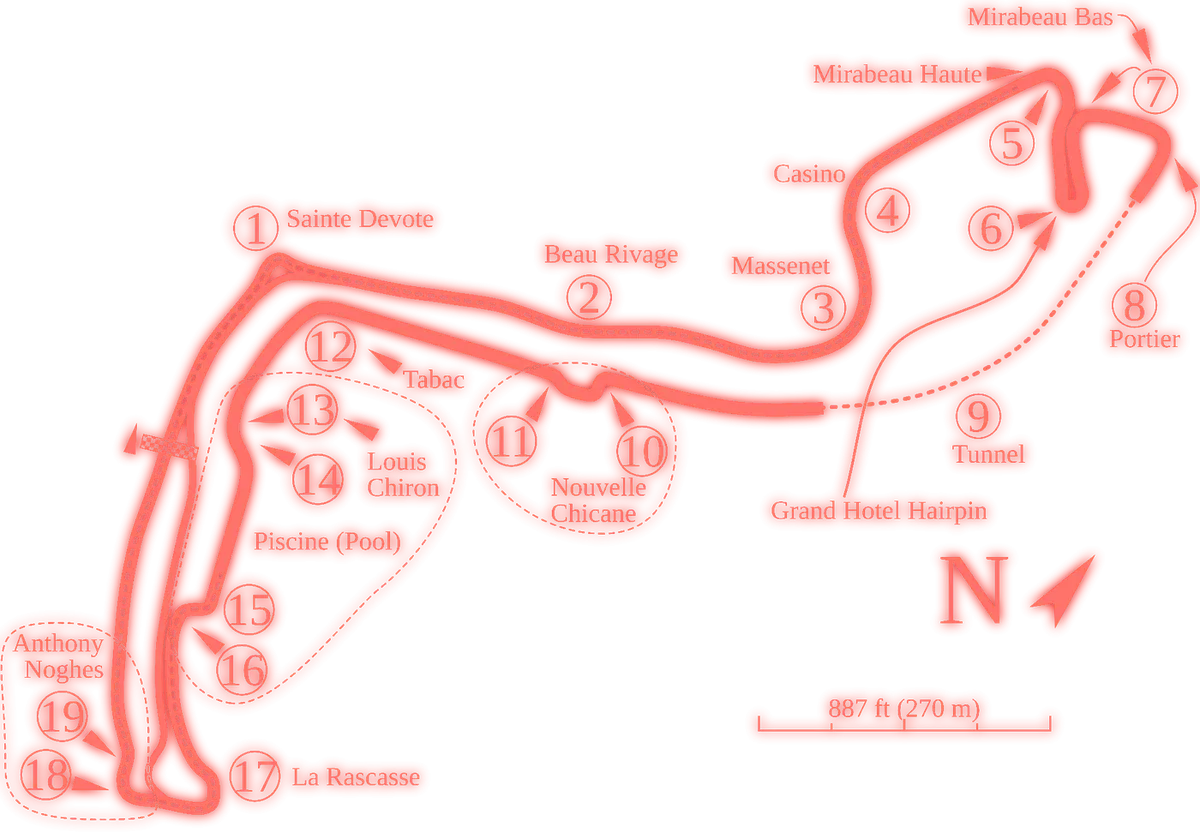
First raced in 1929, Monaco runs through the narrow streets of Monte Carlo, with barriers just centimetres from the cars. The track climbs 44 metres from the harbour to Casino Square, dives through a tunnel where cars lose up to a third of their downforce, and includes the Fairmont Hairpin (once called the Grand Hotel Hairpin), the slowest corner in F1 at about 48 km/h. Overtaking is so hard that the 2021 race saw just one pass in 78 laps, so qualifying often decides the winner.
"Racing at Monaco is like riding a bicycle around your living room."
Nelson Piquet, 3× F1 World Champion
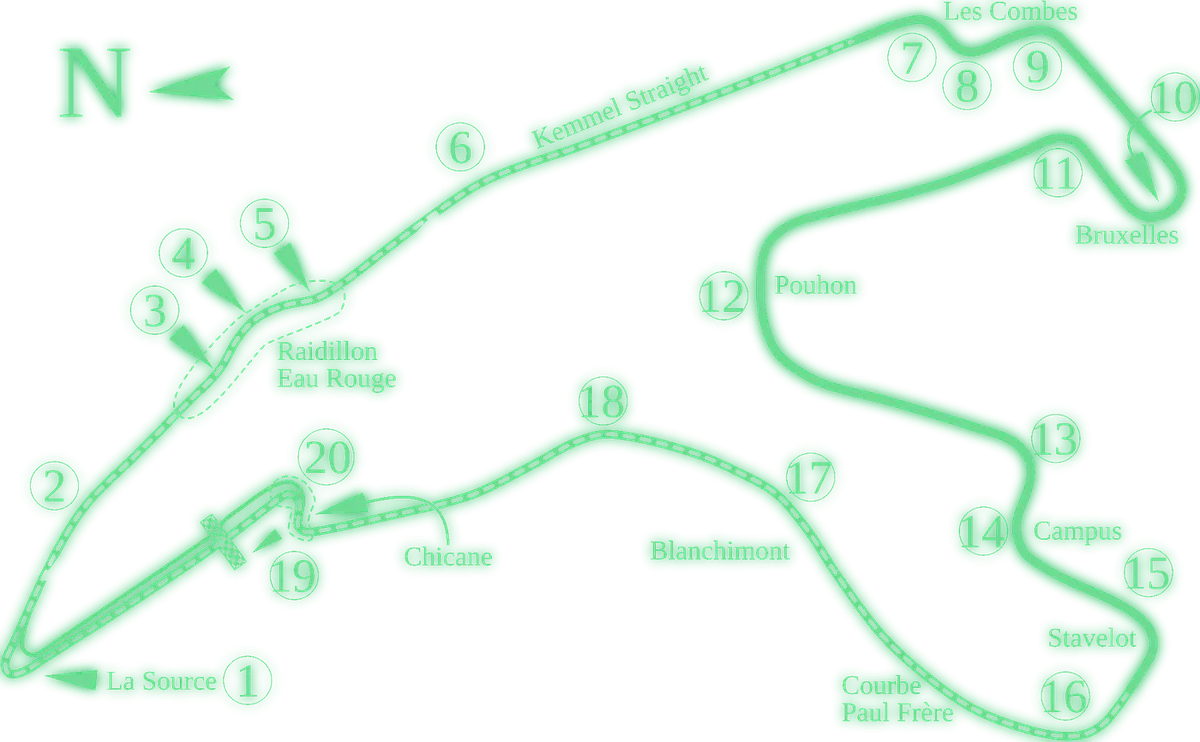
Spa opened in 1921 as a 15 km loop of public roads through the Ardennes forest, and was shortened to today's 7 km layout in 1979. It is still the longest track on the F1 calendar. The weather is famous for being unpredictable: it can rain on one part of the circuit while another stays dry. The Spa 24 Hours, first held in 1924, is one of the oldest endurance races in the world.
Eau Rouge and Raidillon, the steep uphill left-right-left after the start, are taken flat out in modern racing cars. It is one of the ultimate tests of commitment in motorsport.
Circuit Fact
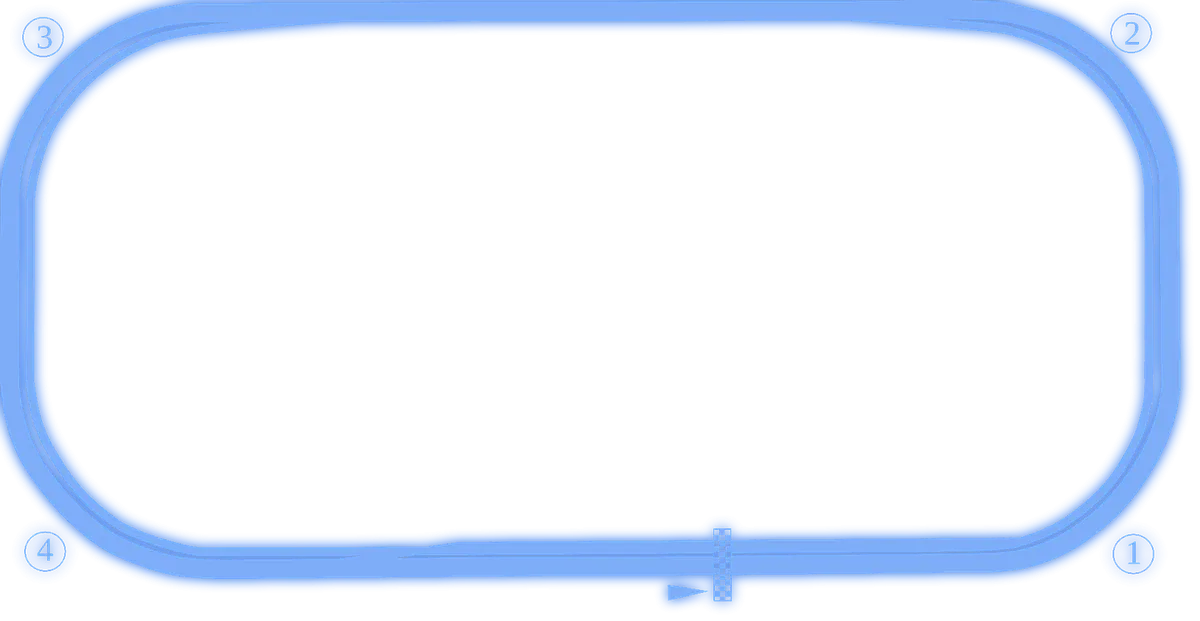
Opened in 1909, the 2.5-mile rectangular oval has four corners banked at only 9 degrees, flat by American standards, which makes car setup critical. With more than 257,000 permanent seats it is the largest sports venue in the world, and the only racing circuit that is a US National Historic Landmark. Besides the Indy 500, it has hosted NASCAR's Brickyard 400 since 1994 and the F1 United States Grand Prix from 2000 to 2007.
"The Greatest Spectacle in Racing."
The Indianapolis 500's Official Nickname
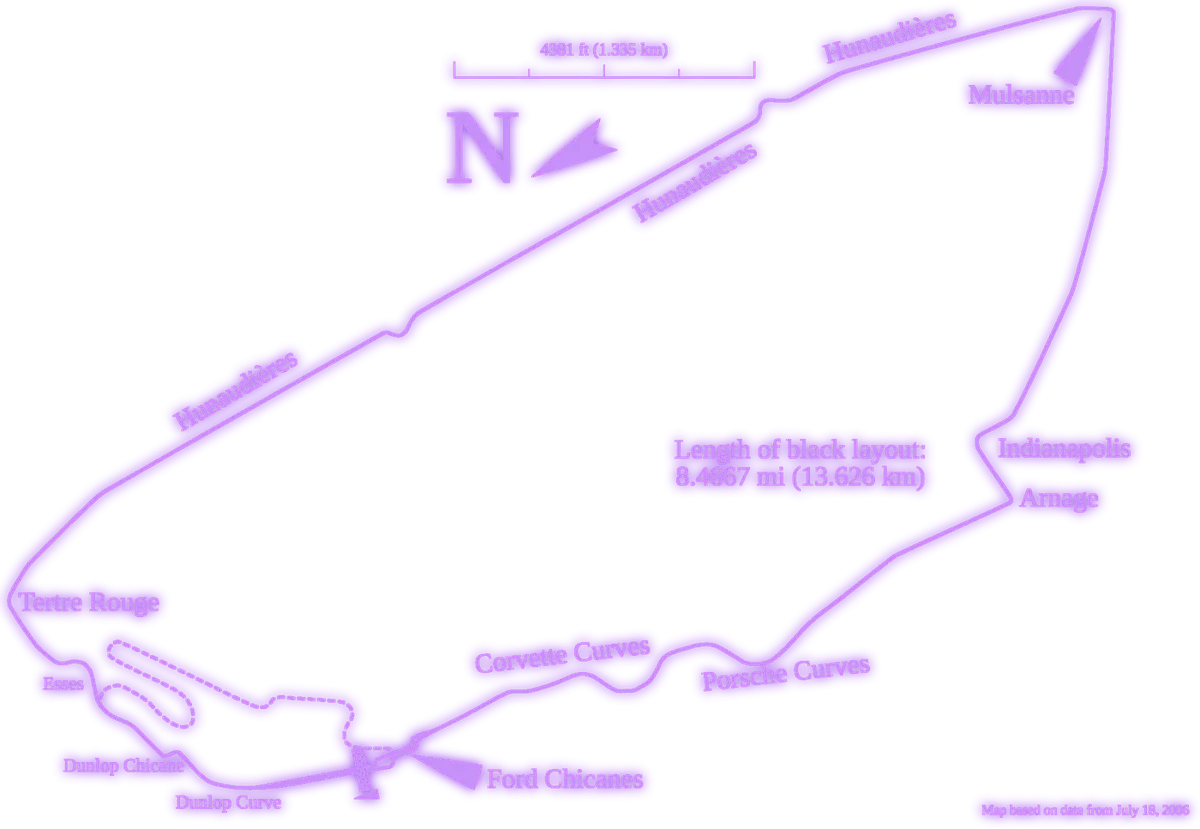
Up to 85% of the Circuit de la Sarthe is made of public roads that are closed only for the race. Its 6 km Mulsanne Straight once let cars pass 400 km/h: Roger Dorchy's WM Peugeot was timed at 407 km/h in 1988. Two chicanes were added in 1990 to slow the cars down. First raced in 1923, it shares its pit lane and first corners with the permanent Bugatti Circuit.
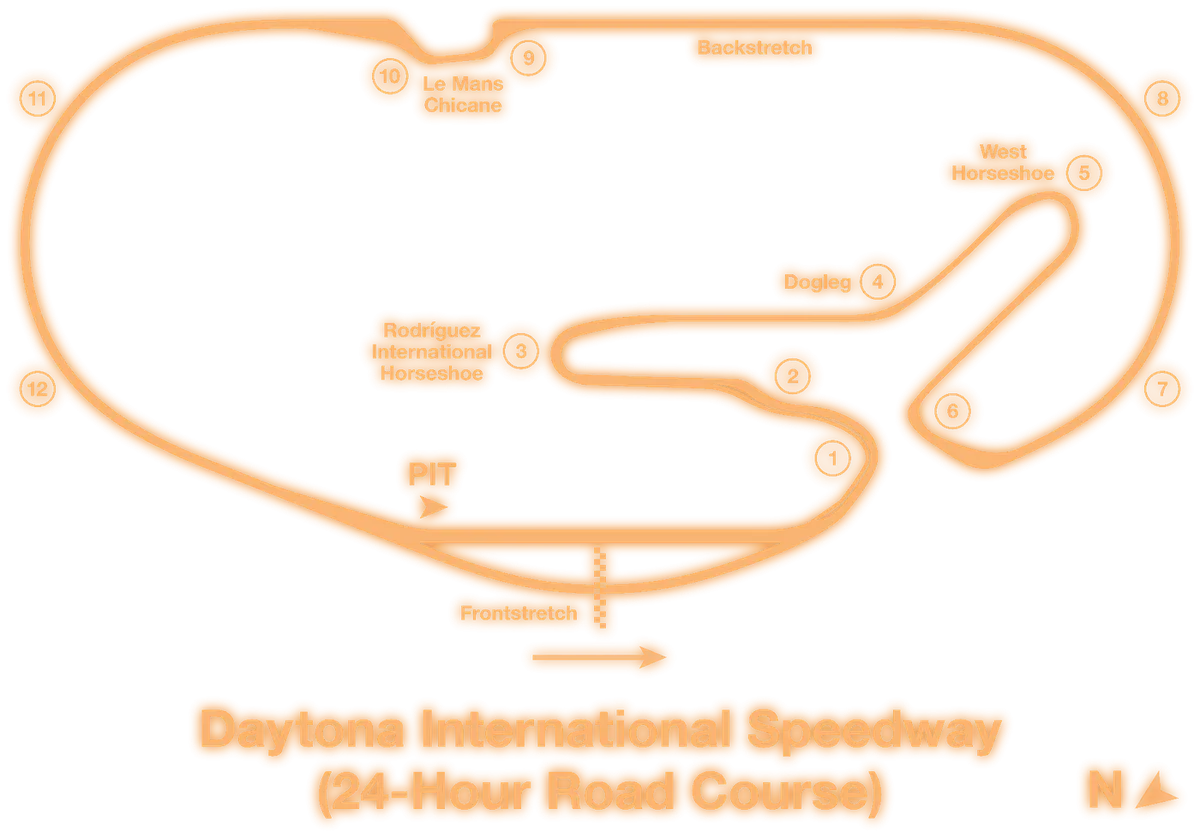
Daytona opened in 1959 with the first Daytona 500. Its 2.5-mile tri-oval is banked at 31 degrees in the turns and 18 degrees at the start/finish line. The 24-hour road course links the infield with most of the banked oval, so sports cars run flat out on the banking before braking hard for the infield. The race became a full 24 hours in 1966 and now opens the IMSA season every January as the Rolex 24.
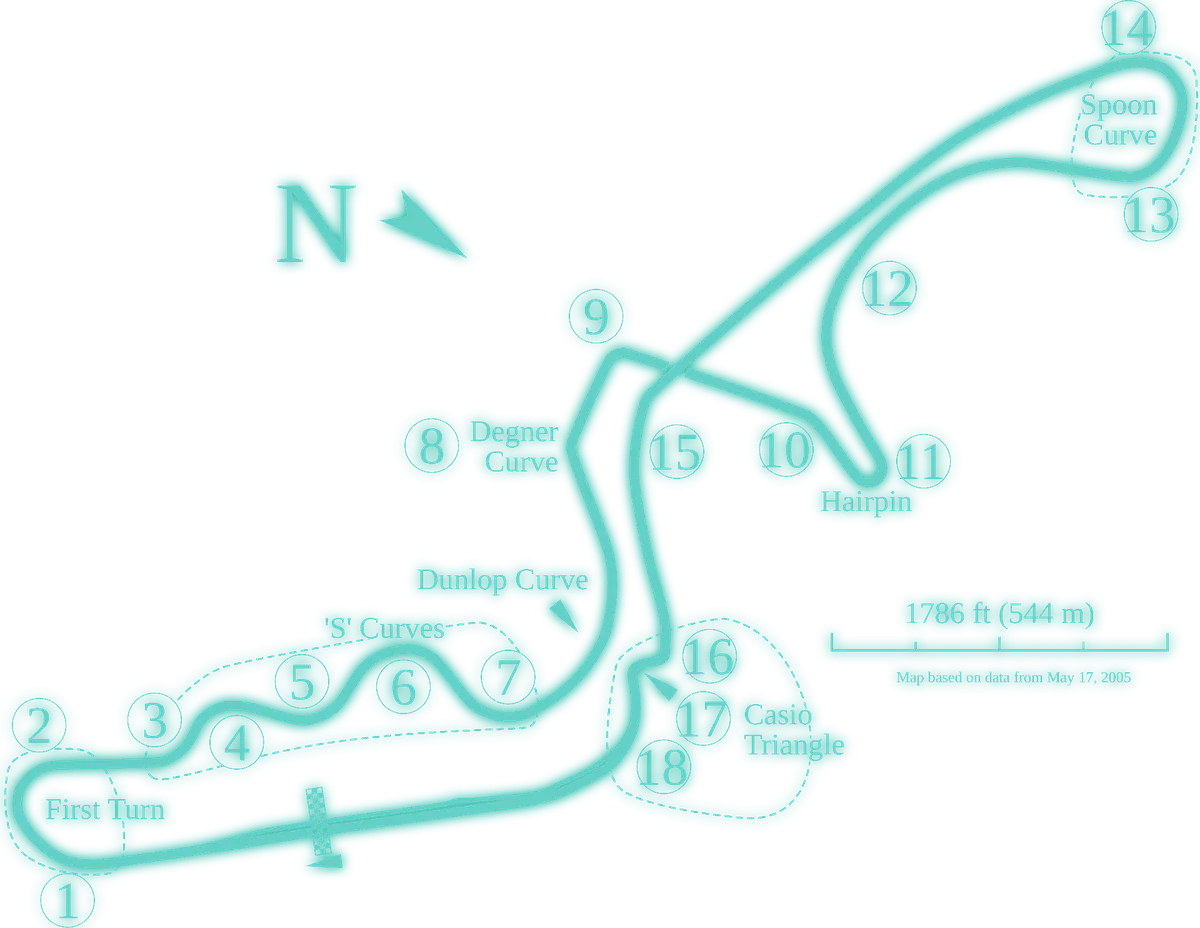
Suzuka is the only Grade 1 circuit in the world laid out as a figure-eight, with the back straight crossing over the front section on a bridge. Opened by Honda in 1962, its S Curves, Degner, Spoon and the flat-out 130R make it a favourite of F1 and Super GT drivers, and many F1 titles have been decided here.
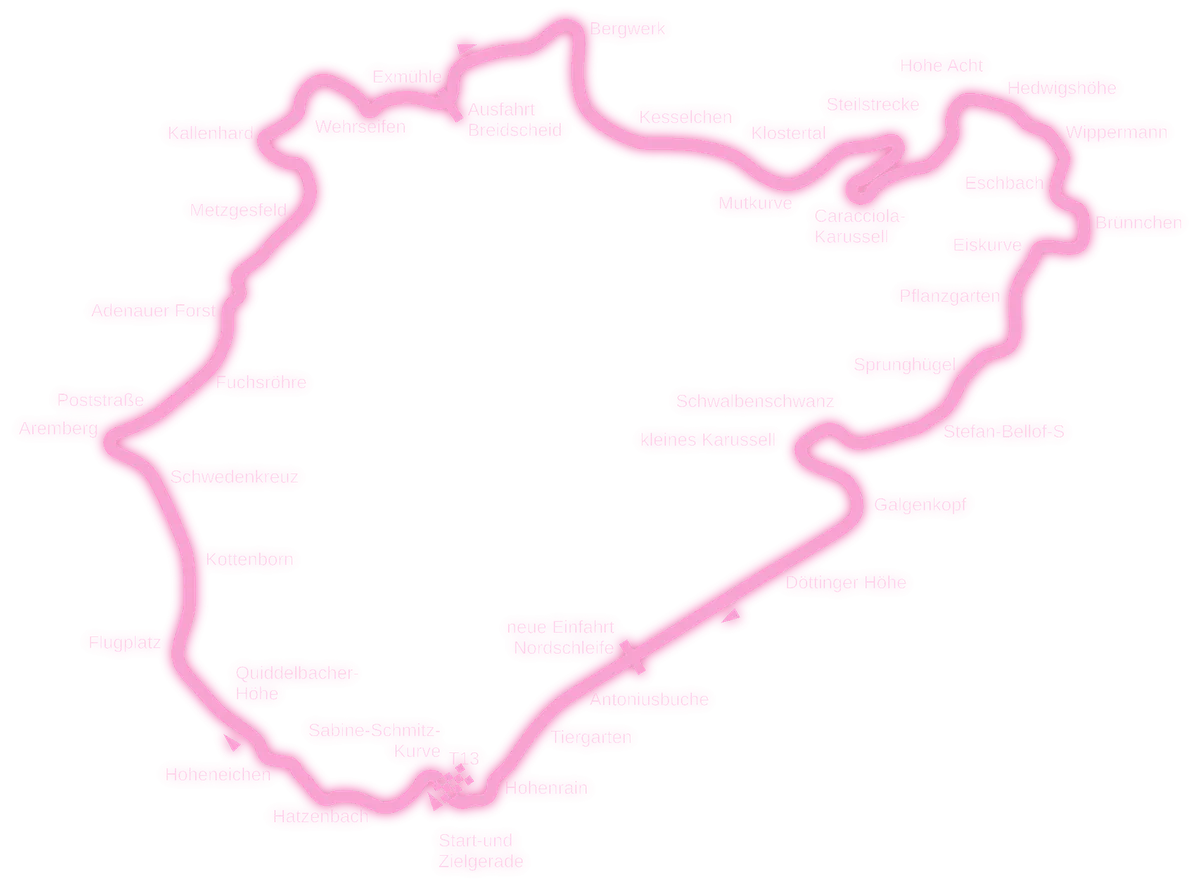
Jackie Stewart named it the "Green Hell" after winning there in rain and fog in 1968. Opened in 1927, the 20.8 km loop through the Eifel forest was dropped from F1 after Niki Lauda's fiery crash in 1976, but it still hosts the Nürburgring 24 Hours. The fastest lap ever, 5:19.546, was set by Timo Bernhard in the Porsche 919 Hybrid Evo in 2018.
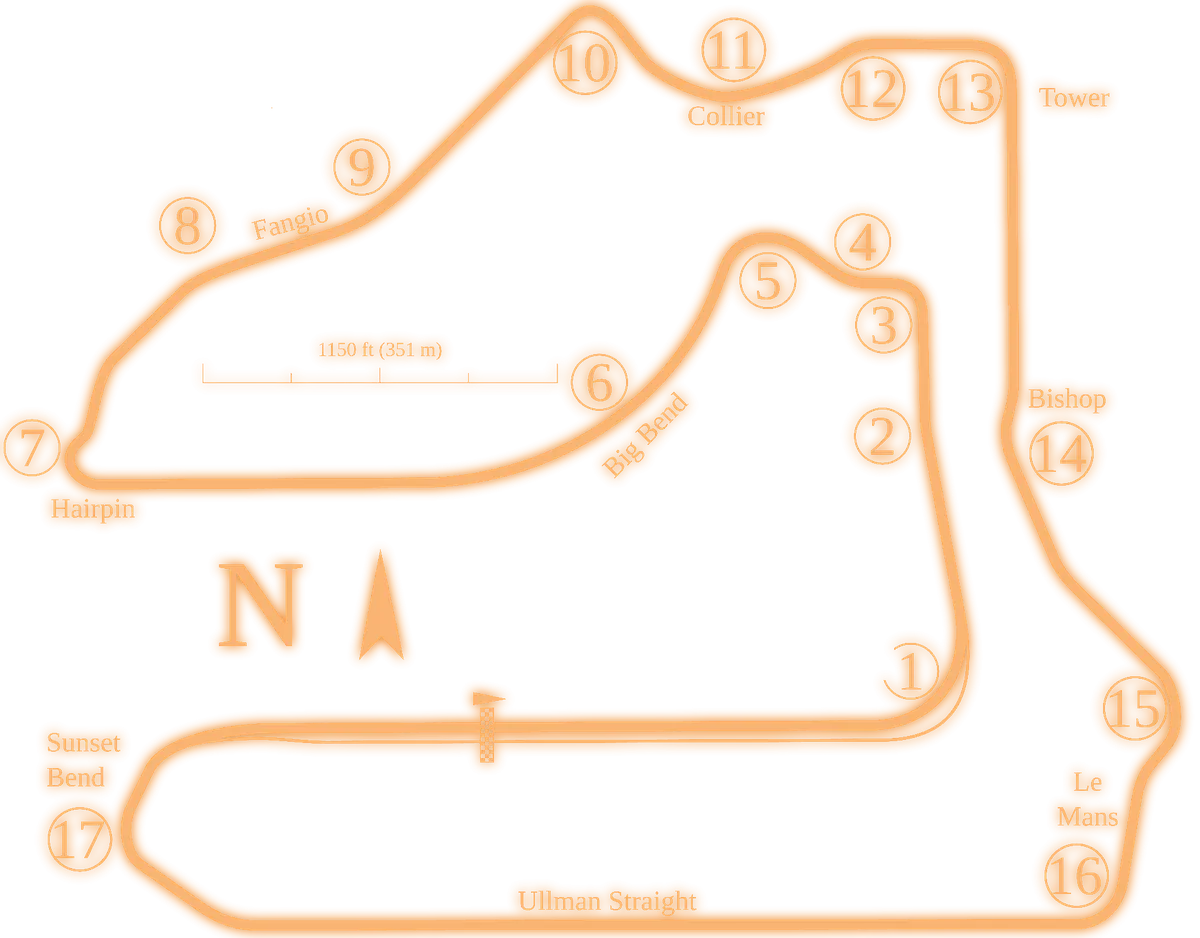
Sebring was built on a World War II airfield, and parts of the track still use the old concrete runways. Their bumps and seams send sparks flying from the cars and make the 12 Hours of Sebring, first held in 1952, one of the hardest tests in endurance racing. It also hosted the first United States Grand Prix in 1959.
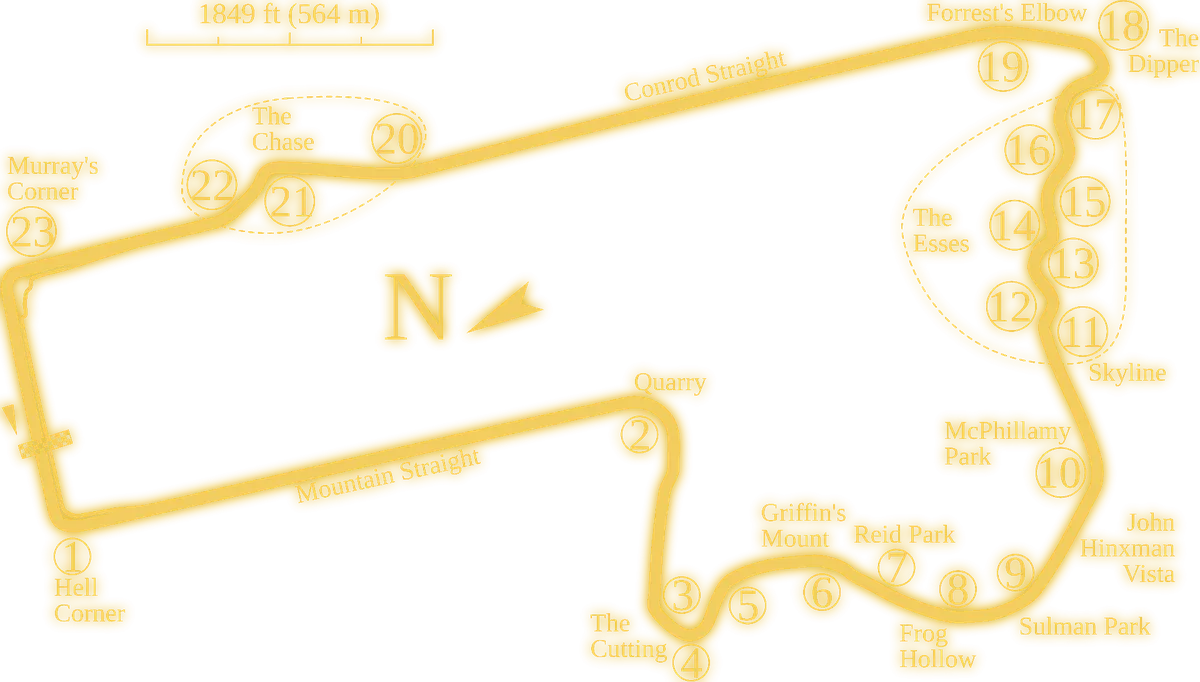
When it isn't hosting races, Mount Panorama is a public road with a 60 km/h speed limit and houses along it. The track climbs 174 metres up the mountain and plunges back down through the Esses to Conrod Straight. The official lap record, 1:59.291, belongs to GT3 legend Christopher Mies in an Audi R8 LMS (2018).