NTT IndyCar Series
America's Open-Wheel
Championship
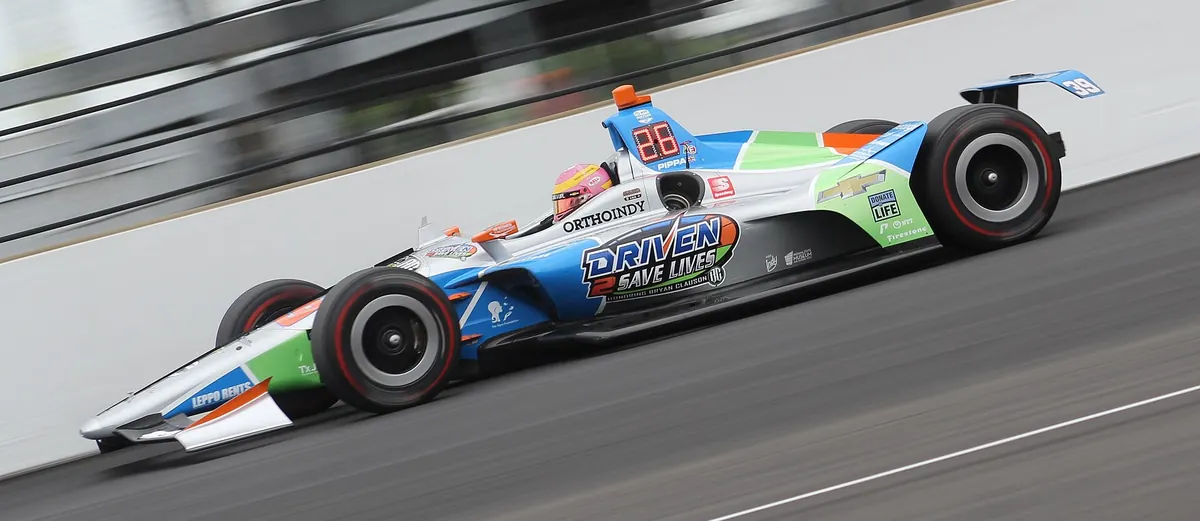
IndyCar is North America's premier single-seater series and the only championship that races on ovals, street circuits and road courses in a single season. Its heart is the Indianapolis 500, first run in 1911 and still the largest single-day sporting event in the world.
The Champions
 United States
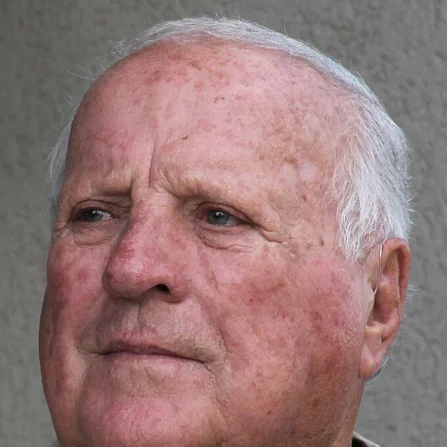
The toughest man ever to sit in an Indy car. A.J. Foyt won everything he entered: seven national championships, four Indianapolis 500s, the Daytona 500 and, with Dan Gurney, the 24 Hours of Le Mans. His 67 Indy car wins are still the all-time record, and he started a record 35 consecutive Indy 500s.
 United States
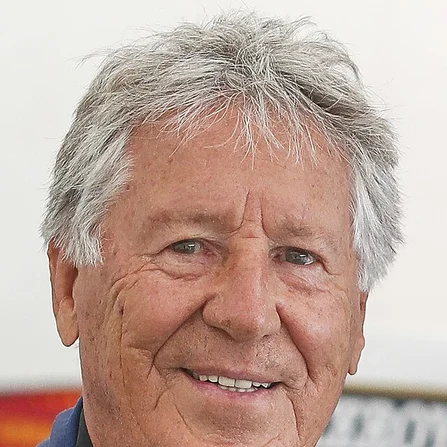
Born in Italy and raised in Pennsylvania, Mario Andretti became the most versatile driver in history. He is the only driver to win the Indianapolis 500, the Daytona 500 and the Formula 1 World Championship. His name became shorthand for speed in America, and his Indy car titles span almost two decades.
 New Zealand
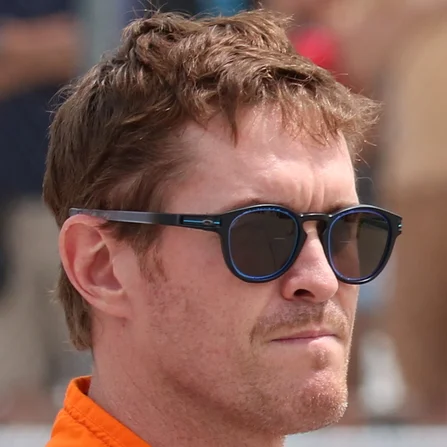
The greatest driver of the modern IndyCar era. Scott Dixon has driven for Chip Ganassi Racing since 2002, winning six championships across three different decades. His fuel-saving skill is legendary: he regularly wins races by going further on a tank than anyone thought possible. Only A.J. Foyt has more titles or more wins.
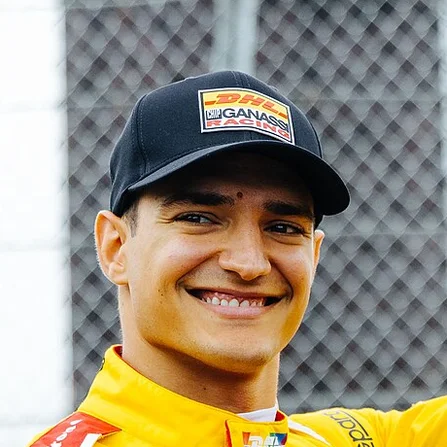
 Spain
IndyCar's modern benchmark. Álex Palou joined Chip Ganassi Racing in 2021 and won the title in his first season with the team. He then won four championships in a row from 2023 to 2026. His 2025 season was one of the most dominant in series history, and his Indianapolis 500 win made him the first Spaniard to drink the milk.
Iconic Races
The First Indianapolis 500
30 May 1911Forty cars take the start of the International 500-Mile Sweepstakes on the brand-new brick surface. Ray Harroun's Marmon Wasp is the only single-seater in the field. Instead of carrying a riding mechanic to watch for traffic, Harroun fits a mirror, one of the first used on a car. He averages 74.6 mph and wins in just under seven hours, starting a tradition that is now more than a century old.
Unser Jr. vs Goodyear
1992 Indy 500In one of the coldest Indy 500s ever, crashes eliminate many of the favourites. Al Unser Jr. holds off Scott Goodyear, who started last, by just 0.043 seconds, which stood as the closest finish in Indianapolis 500 history for 34 years. An emotional Unser Jr. tells the crowd: "You just don't know what Indy means."
Hornish Snatches It at the Line
2006 Indy 50019-year-old rookie Marco Andretti, grandson of Mario, looks certain to win after passing his own father Michael in the closing laps. On the final straight Sam Hornish Jr. slingshots out of his slipstream and wins by 0.0635 seconds. It is the first last-lap pass for the win in Indy 500 history, and the family's famous "Andretti Curse" at Indianapolis strikes again.
Wheldon's Final Victory
2011 Indy 500At the 100th anniversary race, rookie J.R. Hildebrand leads into the very last corner and then hits the wall while passing a slower car. Dan Wheldon, driving a part-time entry, steers around the wreck to win the Indy 500 for the second time. It is one of the most dramatic finishes the Speedway has ever seen, and it became even more poignant when Wheldon was killed at Las Vegas five months later.
Rosenqvist by a Nose
2026 Indy 500The 110th Indianapolis 500 set a record of 70 lead changes, 26 of them between Álex Palou and Scott Dixon alone. In the end, Felix Rosenqvist of Meyer Shank Racing beat David Malukas to the line by 0.0233 seconds to win his first Indy 500. It is the closest finish in the race's history, beating the 1992 record.
"Drivers, start your engines!"
The Traditional Command Before the Indianapolis 500