FIA World Endurance Championship
The Global Stage:
Le Mans & Beyond
The FIA World Endurance Championship represents the pinnacle of international sports car racing, with the 24 Hours of Le Mans as its jewel. Since its modern formation in 2012, WEC has become the ultimate arena for manufacturer warfare.
The Original World Championship
1953–1992The World Sportscar Championship ran under various names from 1953, with legendary battles between Ferrari, Jaguar, Mercedes-Benz, Maserati, Porsche and Aston Martin. Its golden years included the Porsche 917 versus Ferrari 512 fights of 1970–71 and the Group C era of the 1980s. Rising costs from the 3.5-litre engine rules made manufacturers leave, and the championship ended after 1992.
The Le Mans Series Era
2004–2011The Le Mans Series keeps endurance racing alive in Europe while the American Le Mans Series carries the flag in the USA. Audi dominates with the R8 and then the R10 TDI, which in 2006 becomes the first diesel car to win Le Mans. Peugeot strikes back with the 908 HDi FAP, starting a diesel war that wins Peugeot Le Mans in 2009.
The Modern WEC & Hypercar Era
2012–PresentThe FIA World Endurance Championship is reborn in 2012 for the LMP1 hybrid era. Audi, Toyota and Porsche field extremely complex hybrid prototypes with around 1,000bhp combined. In 2017 Kamui Kobayashi's Toyota TS050 sets the fastest lap ever on the current Le Mans layout (3:14.791), and in 2018 an unrestricted Porsche 919 Hybrid Evo smashes the Nürburgring Nordschleife lap record. Toyota finally wins Le Mans in 2018 after decades of heartbreak. The Hypercar class arrives in 2021, and by 2024 Ferrari, Porsche, Peugeot, Cadillac and BMW have all joined Toyota at the top.
Le Mans Legends

 Denmark
Nobody has won Le Mans more often. Tom Kristensen won the 24 Hours nine times, including six in a row from 2000 to 2005, mostly with Audi but also with Bentley in 2003. He was brilliant at night, in traffic and in the rain, the qualities that win endurance races. He retired in 2014 as the 2013 World Endurance Champion.

 Belgium
Jacky Ickx changed Le Mans forever. In 1969 he protested against the dangerous running start by walking calmly to his car and buckling his belts, starting last. He then won the race, and from 1970 drivers started already strapped in. He went on to win Le Mans six times and finished as F1 runner-up twice.
 Switzerland
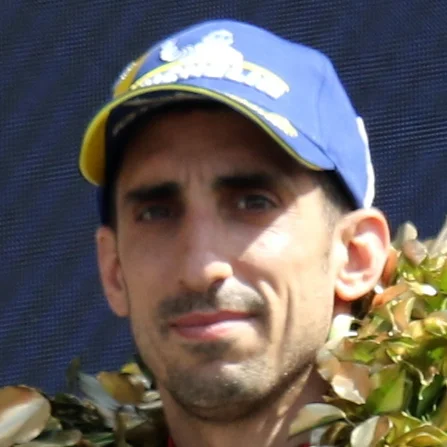
The most successful driver of the modern WEC. After three F1 seasons with Toro Rosso, Sébastien Buemi joined Toyota in 2012 and has stayed with the team ever since. He was part of Toyota's long-awaited first Le Mans win in 2018 and won three more after it. He also won the Formula E title.
Endurance Machines
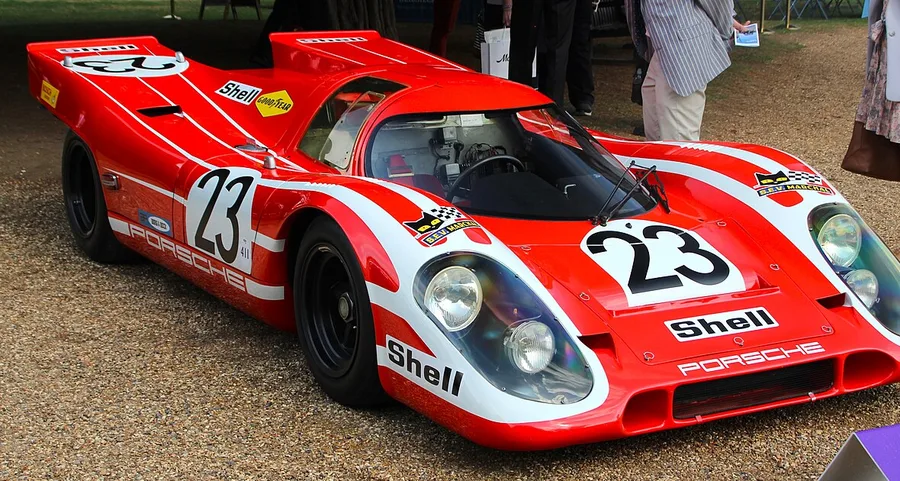
917K
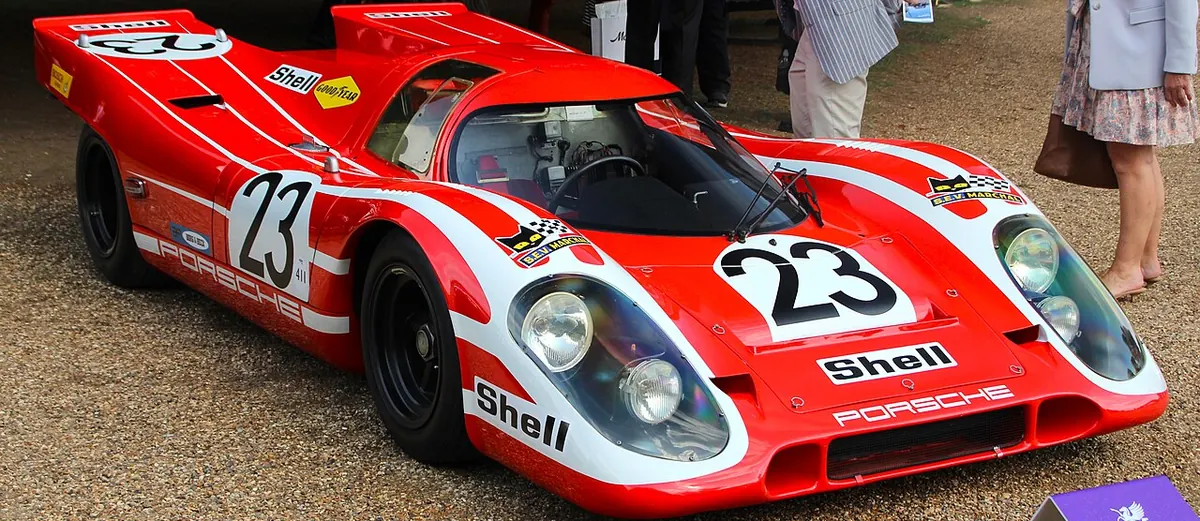
The car that gave Porsche its first Le Mans win. The flat-12 917 was terrifying at first, until aerodynamic work created the short-tail 917K. It won Le Mans in 1970 and 1971, and the 1971 winner set a distance record that stood until 2010. The Gulf and Salzburg liveries remain icons.
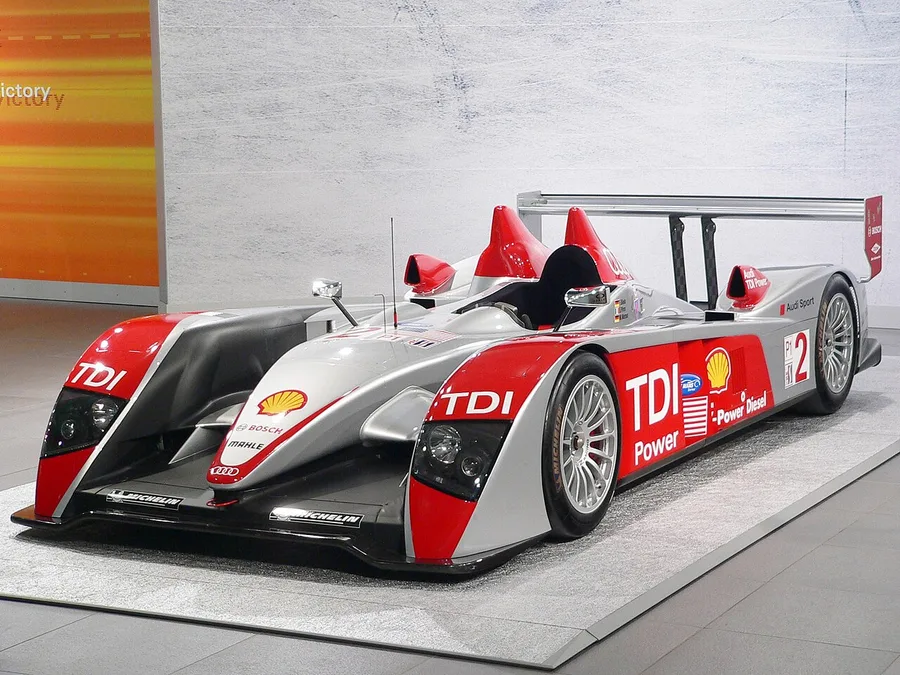
R10 TDI
The first diesel to win Le Mans. Only 200 days after it was unveiled, the twin-turbo V12 R10 won Le Mans in 2006, then won again in 2007 and 2008. Its huge torque and fuel efficiency let it run longer between stops than its rivals. It won 36 of the 48 races it entered.
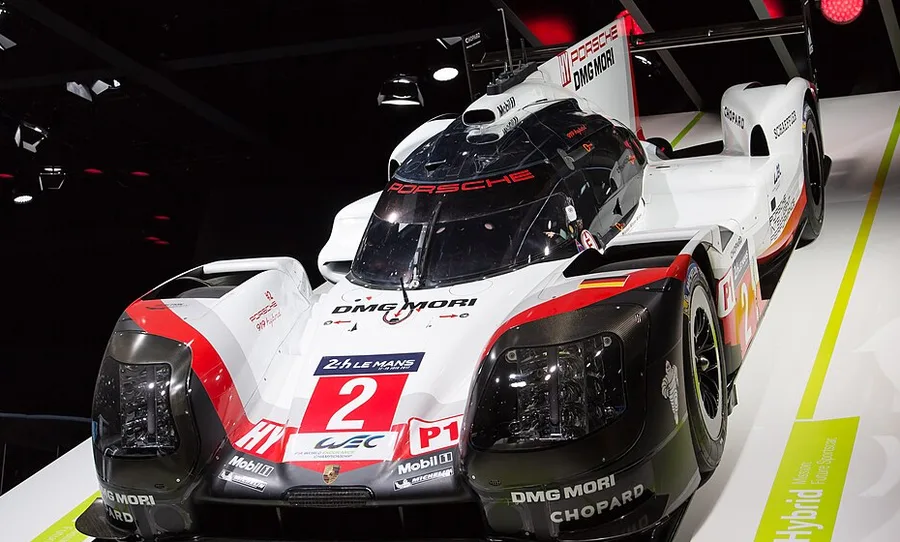
919 Hybrid
The peak of the LMP1 hybrid era. A tiny 2.0-litre V4 turbo combined with two energy recovery systems made around 900hp. The 919 won Le Mans and the WEC title three years in a row from 2015 to 2017. In 2018 the unrestricted 919 Evo lapped the Nürburgring Nordschleife in 5:19.546.
"Racing is life. Anything before or after is just waiting."
Steve McQueen as Michael Delaney, Le Mans (1971)